Medical Tourism


Medical tourism, has become a significant sector in India. The country is recognized for its high-quality, affordable healthcare services, making it an attractive destination for international patients. Here’s an overview of healthcare tourism to India:

Key Advantages of Healthcare Tourism in India:

  1. Cost-Effectiveness: Medical treatments in India are much cheaper compared to countries like the USA, UK, and other Western nations. For instance, surgeries, medical procedures, and consultations can cost up to 60-80% less than in developed countries.
  2. World-Class Healthcare Facilities: India boasts a wide array of internationally accredited hospitals and medical centers, many of which adhere to global standards. Cities like Delhi, Mumbai, Bengaluru, and Chennai are popular destinations for medical tourists, with hospitals equipped with the latest technology and highly skilled doctors.
  3. Skilled Medical Professionals: India has a vast pool of experienced doctors, surgeons, and specialists who have trained in renowned institutions globally. Many healthcare professionals in India are known for their expertise in fields like cardiac surgery, orthopedic surgery, cosmetic surgery, fertility treatments, and cancer care.
  4. Range of Treatments: India offers a wide range of medical services, including:
    • Cosmetic and Plastic Surgery
    • Orthopedic Treatments (joint replacements, spine surgeries)
    • Cardiac Surgeries (bypass, valve replacement)
    • Infertility Treatments (IVF)
    • Cancer Treatments (radiation therapy, chemotherapy)
    • Ayurvedic Treatments and Alternative Medicine (traditional healing therapies)
    • Dental Care (cosmetic dentistry, implants, etc.)
  5. No Waiting Time: Unlike many developed nations where patients often face long waiting times for treatment, India offers quick access to healthcare services, allowing tourists to get treated without unnecessary delays.
  6. Medical Visa: India provides a Medical Visa (M-visa) to international patients, making the process of traveling for medical treatment more streamlined.
  7. Tourism Opportunities: Patients and their families can also explore India’s rich culture, heritage, and tourist attractions while undergoing treatment, making the experience more enjoyable.

Popular Cities for Healthcare Tourism in India:

  • Delhi: Known for its world-class hospitals and specialized treatment centers.
  • Mumbai: A hub for medical tourism, offering advanced treatment options.
  • Bengaluru: Famous for its healthcare infrastructure, particularly in IT and biotech-related healthcare.
  • Chennai: A leading destination for specialized treatments like cardiac surgery and orthopedics.
  • Hyderabad: Known for medical excellence in various specialties.

Common Challenges:

  • Language Barrier: Although English is widely spoken, some medical tourists may face language barriers in certain regions.
  • Post-Treatment Care: Ensuring follow-up care once back home can be tricky, so many patients prefer staying in India longer for recovery.

Conclusion:

India is a top choice for healthcare tourism due to its combination of high-quality medical services, affordability, and the ability to receive treatment in a short time. It continues to be an attractive destination for patients seeking both modern and traditional healthcare solutions.

If you’re considering healthcare tourism to India, it’s crucial to research hospitals and medical professionals, compare prices, and plan your travel and accommodation accordingly.

Breathing Exercise Conductive environment


Creating a conducive environment for breathing exercises can enhance your mindfulness practice. Here are some tips for setting up the best place in your house:

  1. Quiet Space: Choose a location that is free from distractions and noise. This could be a corner of your bedroom, a dedicated meditation room, or even a quiet spot in your living room.
  2. Comfortable Seating: Ensure you have a comfortable place to sit or lie down. This could be a cushion, yoga mat, or a comfortable chair. The key is to maintain a posture that allows you to breathe deeply and comfortably.
  3. Natural Light: If possible, select a space with natural light. Sunlight can create a calming atmosphere and help you feel more connected to nature.
  4. Fresh Air: Good ventilation is important. If weather permits, open a window to let in fresh air. This can enhance your breathing exercises and make the experience more refreshing.
  5. Minimal Clutter: Keep the area tidy and free from clutter. A clean, organized space can help reduce distractions and promote a sense of calm.
  6. Aromatherapy: Consider using essential oils or incense to create a soothing environment. Scents like lavender, chamomile, or eucalyptus can help you relax and focus.
  7. Soft Lighting: If natural light isn’t available, use soft, warm lighting. Avoid harsh, bright lights that can be distracting.
  8. Personal Touches: Add elements that make you feel comfortable and relaxed, such as plants, calming artwork, or a small water fountain.
  9. Sound: If you find it helpful, play soft, calming music or nature sounds. This can create a peaceful ambiance and help you stay focused on your breathing.
  10. Consistency: Try to use the same space regularly for your breathing exercises. This can help create a routine and make it easier to slip into a mindful state.

Would you like any specific recommendations for setting up your space?

Mindful walking – Mindfulness


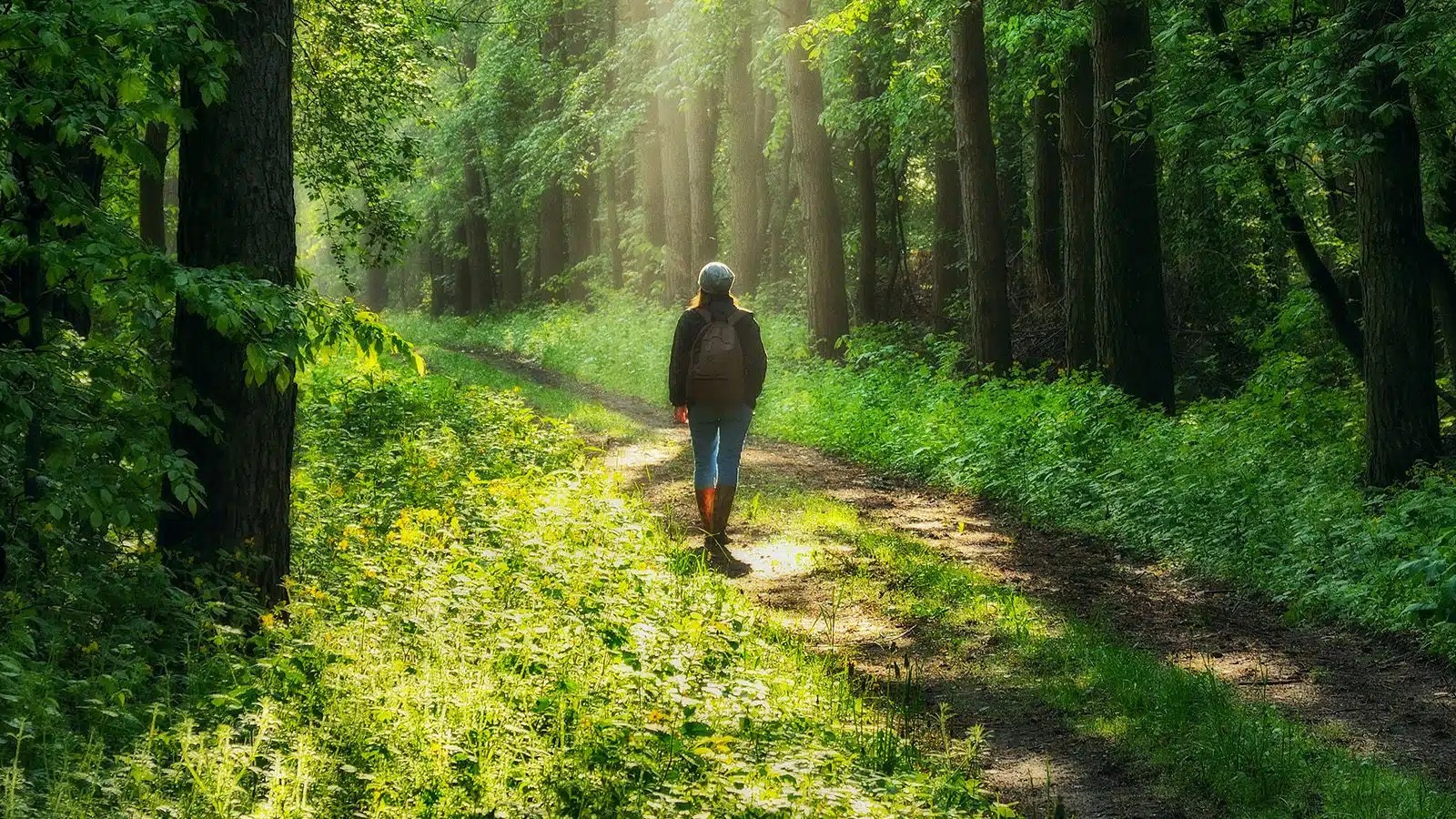
Mindful walking is a wonderful way to incorporate mindfulness into your daily routine. Here’s how you can practice it:

  1. Choose a Path: Find a quiet place where you can walk without many distractions. It could be a park, a quiet street, or even your backyard.
  2. Start Slowly: Begin walking at a slow, comfortable pace. Focus on the sensation of your feet touching the ground.
  3. Pay Attention to Your Body: Notice the movement of your legs, the shifting of your weight, and the rhythm of your steps. Feel the connection between your feet and the earth.
  4. Engage Your Senses: Observe your surroundings. Notice the colors, shapes, and textures around you. Listen to the sounds, whether it’s birds chirping, leaves rustling, or distant traffic. Take in the smells of nature or the air around you.
  5. Focus on Your Breath: Pay attention to your breathing. Notice how it syncs with your steps. You can try coordinating your breath with your steps, such as inhaling for three steps and exhaling for three steps.
  6. Stay Present: If your mind starts to wander, gently bring your focus back to the present moment. Use the sensations of walking and your surroundings to anchor your attention.
  7. Be Non-Judgmental: Accept whatever thoughts or feelings arise without judgment. Simply observe them and let them pass, returning your focus to your walking.
  8. End with Gratitude: As you finish your walk, take a moment to express gratitude for the experience. Appreciate the time you took for yourself and the connection you felt with your surroundings.

Mindful walking can be a refreshing way to clear your mind and connect with the present moment. Would you like to try this on your next walk?

Mindfulness


Mindfulness is the practice of being fully present and engaged in the current moment, without judgment. It involves paying attention to your thoughts, feelings, and sensations in a non-reactive way. By focusing on the present, mindfulness helps reduce stress, improve emotional regulation, and enhance overall well-being.

Mindfulness Techniques 

  1. Breathing Exercises: Focus on your breath. Inhale deeply through your nose, hold for a few seconds, and exhale slowly through your mouth. Repeat this process, paying attention to the sensation of breathing.
  2. Body Scan: Lie down or sit comfortably and close your eyes. Slowly bring your attention to different parts of your body, starting from your toes and moving up to your head. Notice any sensations, tension, or discomfort without trying to change anything.
  3. Mindful Walking: Take a walk and pay attention to the sensation of your feet touching the ground, the movement of your legs, and the rhythm of your breath. Notice the sights, sounds, and smells around you.
  4. Mindful Eating: Eat a meal or snack slowly, paying full attention to the taste, texture, and aroma of your food. Notice how your body feels as you eat and savor each bite.
  5. Loving-Kindness Meditation: Sit comfortably and close your eyes. Silently repeat phrases like “May I be happy, may I be healthy, may I be safe.” Then extend these wishes to others, including loved ones, acquaintances, and even people you find challenging.
  6. Gratitude Journaling: Write down three things you are grateful for each day. Reflect on the positive aspects of your life and the people who bring you joy.
  7. Mindful Listening: When talking to someone, give them your full attention. Listen to their words, tone, and body language without planning your response. This practice can improve your relationships and communication skills.
  8. Guided Meditation: Use apps or online resources to follow guided mindfulness meditations. These can provide structure and support as you develop your practice.

Which of these techniques would you like to try first?